Not every upgrade matters.
Five moves aren’t flashy; they shave 30 minutes off setup, clear bottlenecks in post, and let you grab takes before light dies, every single time.
So what actually moves the needle, beyond bigger cameras?
Here are five that actually moved the needle for me.
1. Wireless Video Monitoring
Wireless monitoring changes everything.
And killing a tangle of cables saves minutes, keeping the crew from gossiping about loose BNCs while you chase focus marks and light changes easily.
So why not wire everything with Mars 4K or CineView HE?
Fewer trips, more focus.
2. CFexpress Type A Cards (If You’re on Sony)
CFexpress speeds the workflow.
On an A7S III or A7 IV, CFexpress Type A unlocks higher bitrates and cuts buffer anxiety during long interviews or rapid doc shoots dramatically.
Want to dump faster and swap cards less often?
Pricier per GB, worth it.
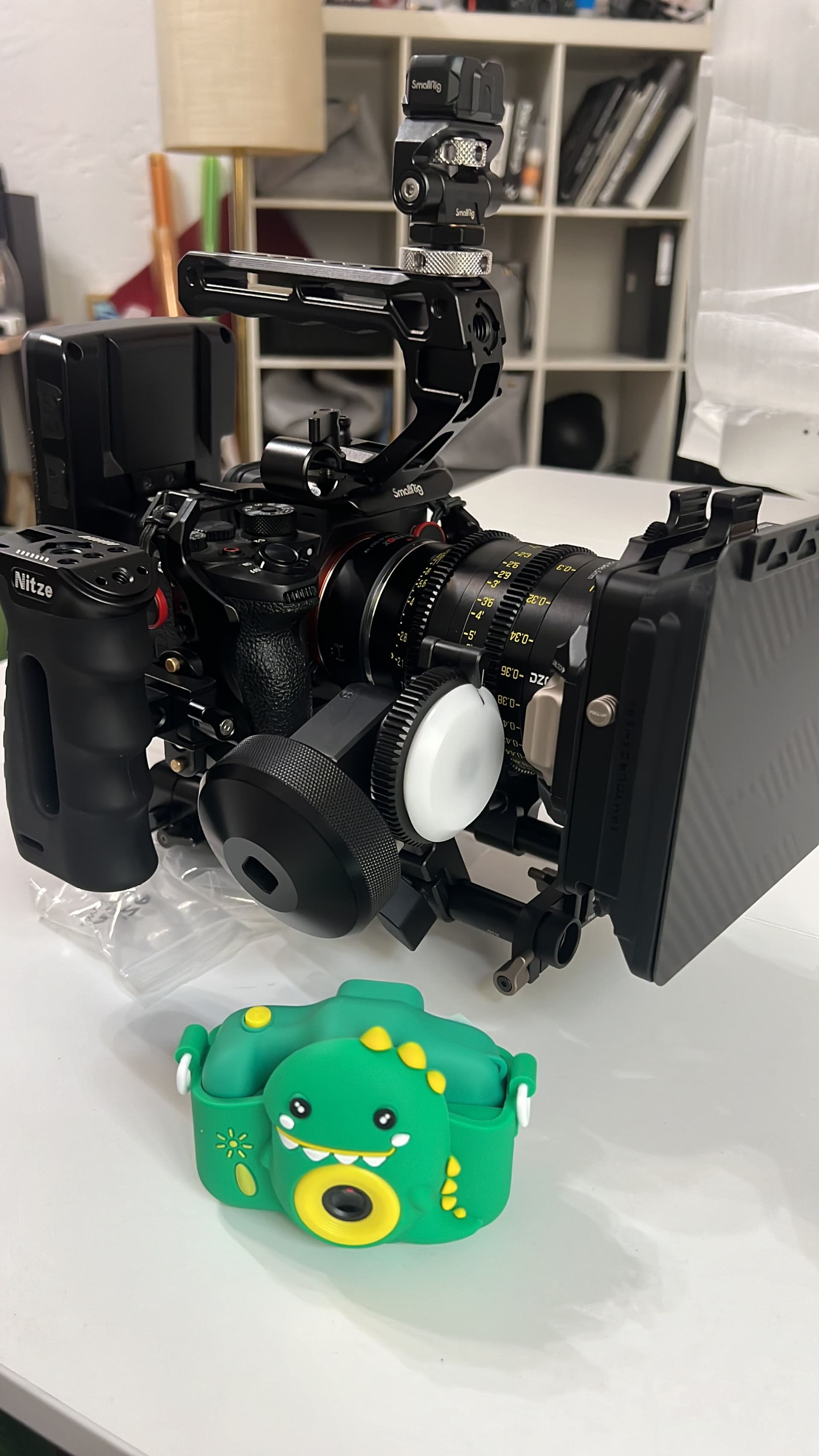
3. A Proper Rig for Movement (Not Just a Gimbal)
Rigs aren’t gimmicks, period.
A proper rig, when balanced and tailored, makes gimbals sing and steadies heavy cameras without shouting for power or inviting wobble on a fast move.
So you really want the best of both worlds?
Build it once, use it everywhere.
4. NVMe SSD Offload Drives
Offload speed saves days.
If you’re still dumping to spinning disks, you waste minutes per day; NVMe drives like Samsung T9 or SanDisk Extreme Pro speed things up dramatically.
Lunch is nicer when you’re not waiting for a queue of transfers, right?
Backups verified, always.
5. Tentacel Sync Devices
Sync tools simplify collaborations.
Tentacel Sync devices handle timecode, audio tick, and shuttle notes with a tiny footprint; they stay synced across camera starts and clip dumps without drama.
You really trust a pocket unit to keep you in sync?
Phone apps dreamt of this.
The Common Thread
None of these upgrades cost tens of thousands of dollars or require a complete system overhaul. They’re practical, incremental improvements that compound over time. The best filmmaking gear isn’t always the most expensive. It’s the stuff that gets out of your way and lets you focus on what actually matters: telling a story.
What’s the one tech upgrade that saved you the most time on set? I’d love to hear about it.